

The UK Government has announced a new £15 billion Defence Investment Plan (DIP), setting out how additional funding will be used to transform the Armed Forces through investment in advanced technologies, modern equipment and sovereign defence capability over the next four years.
The package will increase annual defence spending from around £54 billion to approximately £80 billion by 2029, with the Government stating the investment is intended to ensure the UK remains prepared to respond to an increasingly complex global security environment.
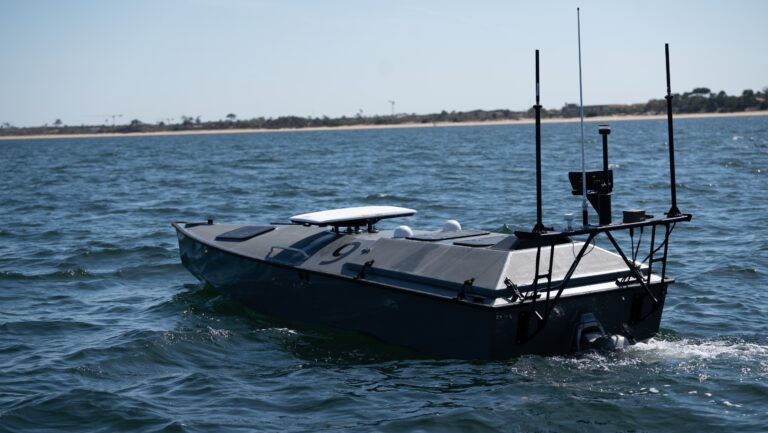
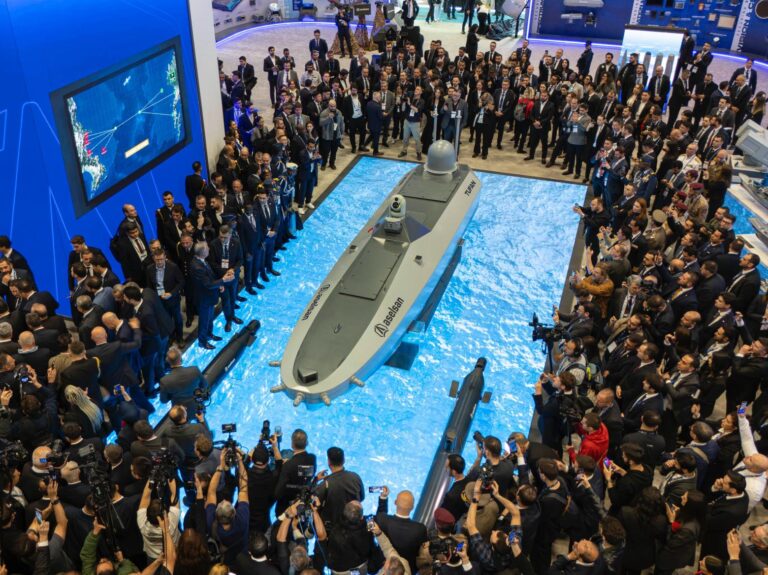
Among the headline commitments are £5 billion for drones and autonomous systems, investment in next-generation combat aircraft, continued support for the UK’s nuclear deterrent, expanded missile production and enhanced funding for advanced digital capabilities. The plan also confirms the procurement of F-35A aircraft capable of carrying nuclear weapons and continued investment in future naval and submarine programmes.
Prime Minister Sir Keir Starmer said the programme would prepare Britain’s Armed Forces for future threats by combining conventional military capability with emerging technologies, arguing that investment in defence remains essential to maintaining national security and strengthening deterrence.
Focus on technology and industrial resilience
The Defence Investment Plan builds on the Strategic Defence Review’s emphasis on integrating artificial intelligence, autonomous platforms, drones and digital technologies alongside traditional military capability. Lessons identified from recent conflicts have reinforced the importance of rapid procurement, resilient supply chains and scalable manufacturing capacity, all of which feature prominently within the new investment programme.
Alongside capability development, the Government says the investment will support UK industry, advanced manufacturing and high-skilled employment while strengthening sovereign defence production and supply chain resilience.
Industry reaction
The announcement comes following months of discussion over the scale of future defence funding and ahead of continued NATO commitments to increase defence expenditure over the coming decade. While industry has broadly welcomed greater investment certainty, some defence commentators and former military leaders have argued that additional funding may still be required to meet future capability ambitions fully.
For defence manufacturers, technology developers and supply chain partners, however, the publication of the Defence Investment Plan provides greater clarity over the Government’s long-term procurement priorities, particularly in areas including autonomous systems, missiles, cyber capability, advanced aerospace and next-generation maritime platforms.