

MBDA subsidiary GDI Simulation has acquired AGENIUM Group, bringing together two French businesses specialising in defence simulation, experimentation and training technologies.
The acquisition, announced on 4 September, makes AGENIUM a wholly owned subsidiary of GDI Simulation and creates a combined organisation of approximately 120 employees. The deal is intended to broaden the companies’ capabilities across live and virtual training, simulation and synthetic environments for land, air, maritime and space applications.
The transaction is particularly relevant as armed forces place greater emphasis on synthetic training environments that can prepare personnel for increasingly complex, multi-domain operations without relying solely on live exercises.
Simulation capabilities combined
GDI Simulation already develops equipment and systems used for operational training and simulation, while AGENIUM brings additional expertise in areas including synthetic environment generation and artificial intelligence.
According to MBDA, the combined business will cover activities ranging from the creation of synthetic environments through to the development, production and support of experimentation and training systems.
AGENIUM’s artificial intelligence capabilities are also expected to be incorporated more widely into GDI Simulation’s existing products and services.
The companies said the acquisition builds on existing industrial relationships and complementary technical expertise rather than creating an entirely new area of activity.
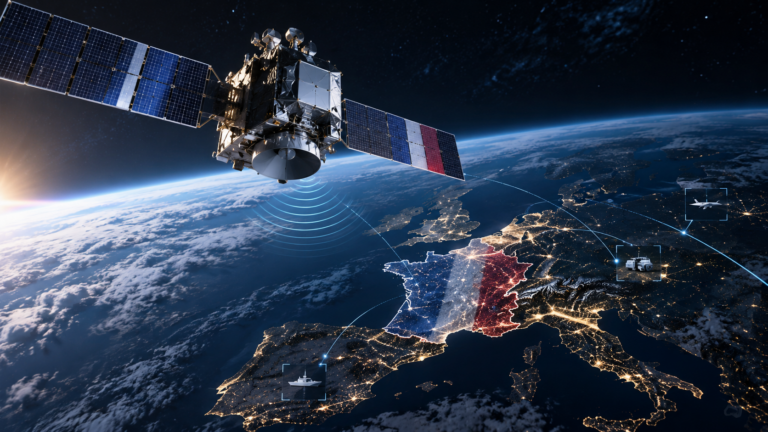
GDI Simulation and AGENIUM will serve armed forces across the land, air, space and naval domains, as well as defence companies integrating training and simulation technologies into larger systems.
Training gains operational importance
For defence procurement teams, simulation is increasingly connected to wider questions of readiness, interoperability and the cost of maintaining personnel proficiency.
More sophisticated synthetic environments can allow operators to rehearse missions, test procedures and evaluate equipment while reducing demands on aircraft, vehicles, weapons and training ranges.
The addition of AI capability could also support more complex simulated environments and scenarios, although MBDA has not disclosed specific new products resulting from the acquisition.
The transaction gives GDI Simulation a larger engineering base at a time when armed forces are investing in networked training systems capable of representing increasingly contested operating environments.
For integrators, the expanded organisation could also provide a broader source of simulation technologies for incorporation into wider training architectures.
MBDA has not disclosed the financial terms of the transaction.