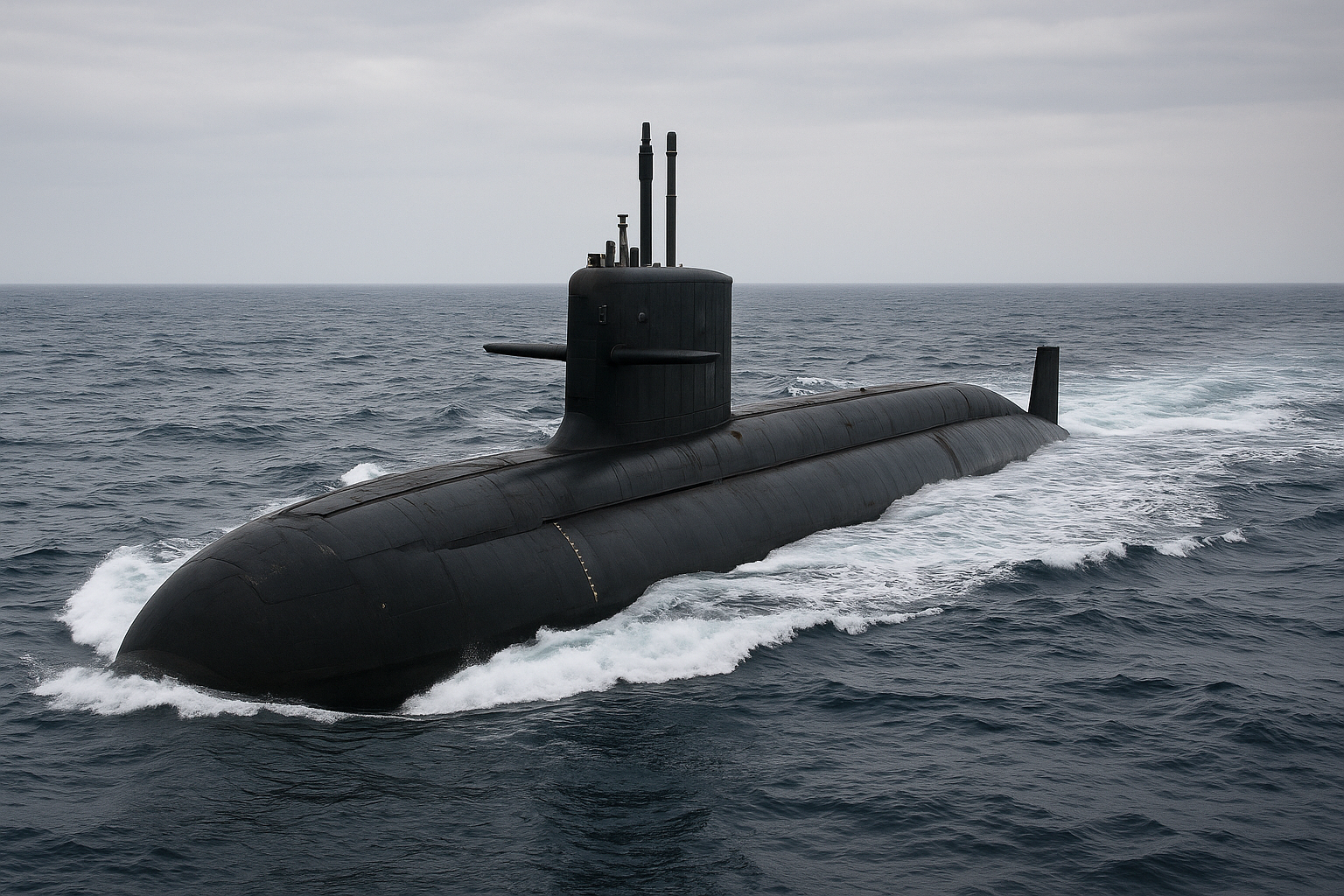

The Royal Navy has formally launched its long-anticipated anti-submarine warfare initiative, Atlantic Bastion, marking a substantial step in Britain’s efforts to counter the growing undersea threat posed by a modernising Russian Navy.
The announcement comes amid rising concern over Moscow’s expanding submarine fleet and the increased vulnerability of critical undersea infrastructure.
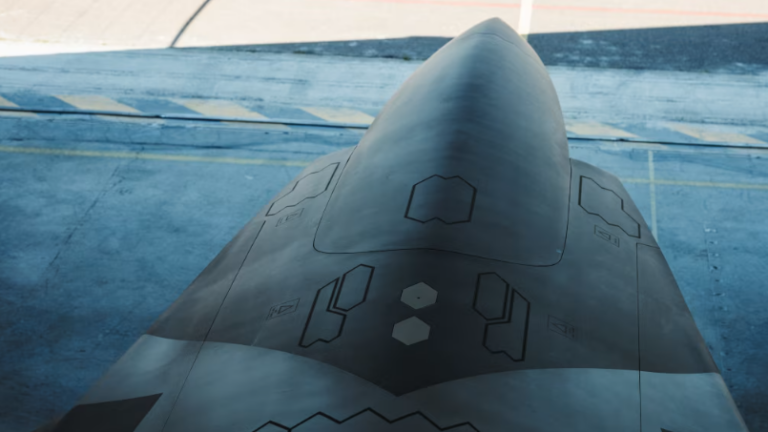
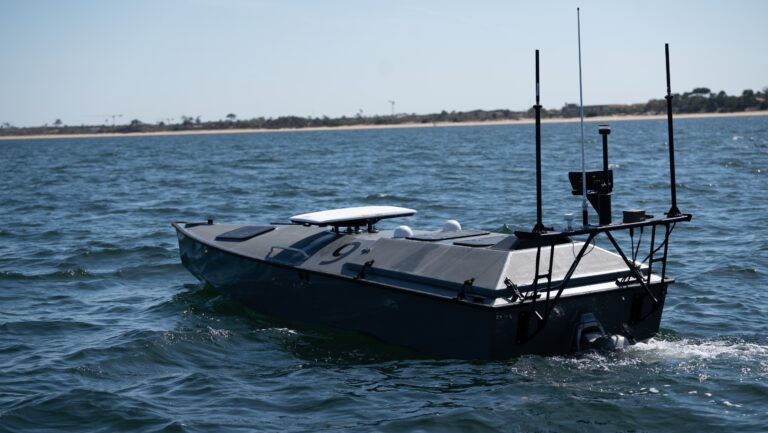
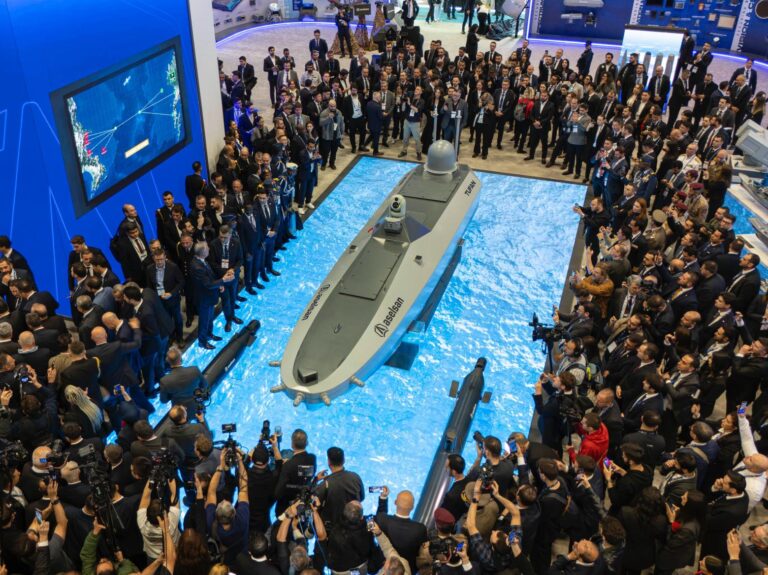
The concept, originally set out in the 2025 Strategic Defence Review (SDR), envisages a multi-layered network combining crewed warships, maritime patrol aircraft and a broad array of uncrewed, autonomous systems. Among the core elements are the forthcoming Type 26 frigate fleet, capable of deploying uncrewed surface and underwater vehicles, and sensor platforms that together form part of a sophisticated acoustic detection grid.
At the heart of Atlantic Bastion lies its first phase, dubbed Atlantic Net. Under Atlantic Net, autonomous underwater gliders and uncrewed systems, operated by industry under naval oversight, will patrol strategic zones such as the Greenland–Iceland–UK (GIUK) gap, providing persistent surveillance and enabling early detection of hostile submarines.
Unveiling the initiative at HM Naval Base Portsmouth, First Sea Lord General Sir Gwyn Jenkins described Atlantic Bastion as “our bold new approach to secure the underwater battlespace against a modernising Russia.” He added: “We will find them, track them and, if necessary, with allies, act to deter them.”
General Jenkins emphasised the need for the Royal Navy to adapt rapidly to new threats: “This system blends autonomous technology, advanced warships and maritime patrol aircraft to deliver a truly integrated underwater defence network.”
Industry sources confirm that the first tranche of contracts, valued at several million pounds, has already been issued, paving the way for delivery of the first sensor packages in the coming year.
Analysts note Atlantic Bastion marks a return to Cold War-style undersea vigilance, but with 21st-century tools. The combination of artificial intelligence, unmanned systems and traditional platforms offers the Royal Navy a chance to establish “persistent presence” over vast and previously hard-to-monitor swathes of the North Atlantic.
Still, some experts caution that even advanced acoustic detection may struggle against ultra-quiet modern Russian submarines. As one report noted, while Atlantic Bastion may significantly strengthen detection and tracking, it will not eliminate all undersea threats, particularly ballistic missile submarines operating from remote bastions.
The Royal Navy says Atlantic Bastion stands as a clear signal that it is embracing autonomous systems, digital networks and whole-of-fleet integration to preserve undersea superiority in the face of a persistent and evolving Russian submarine threat.