

The European Union has unveiled its latest Military Mobility Package, a framework designed to accelerate the movement of defence equipment and personnel across the continent.
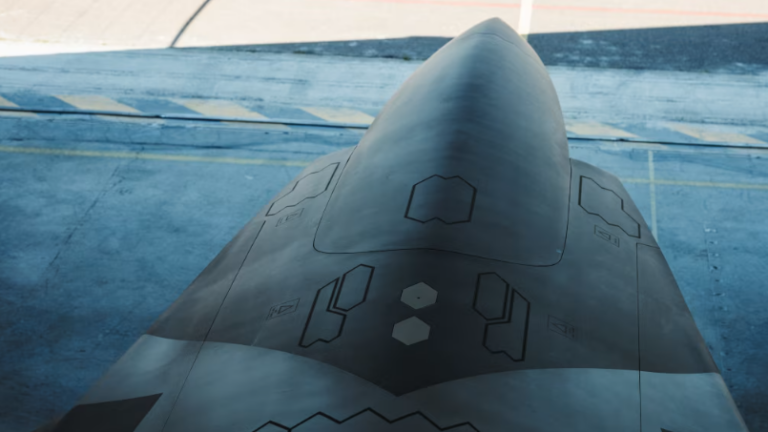
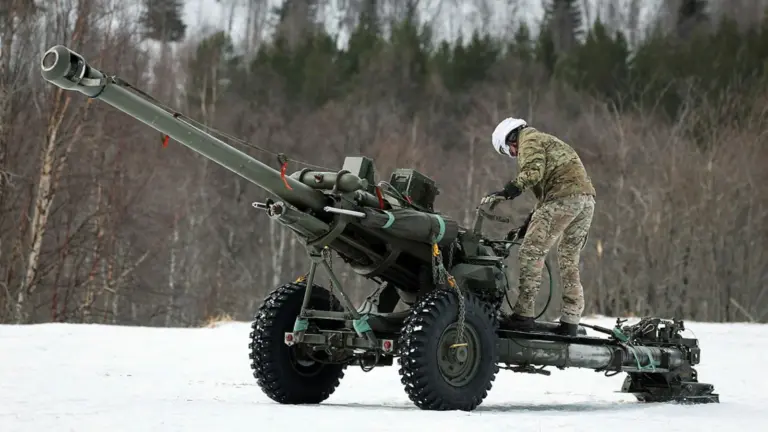
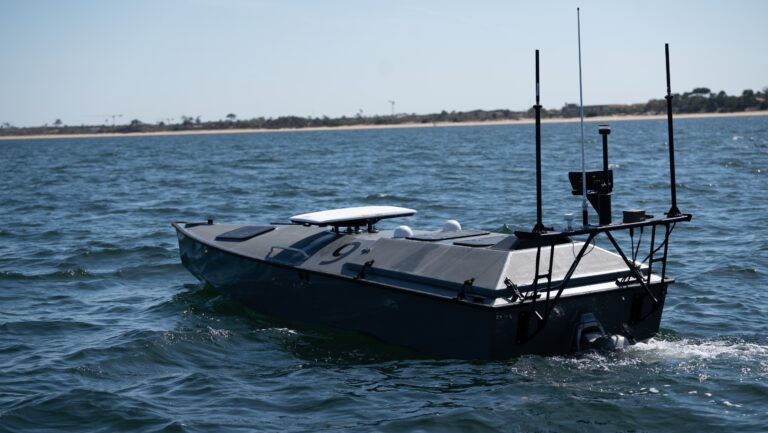
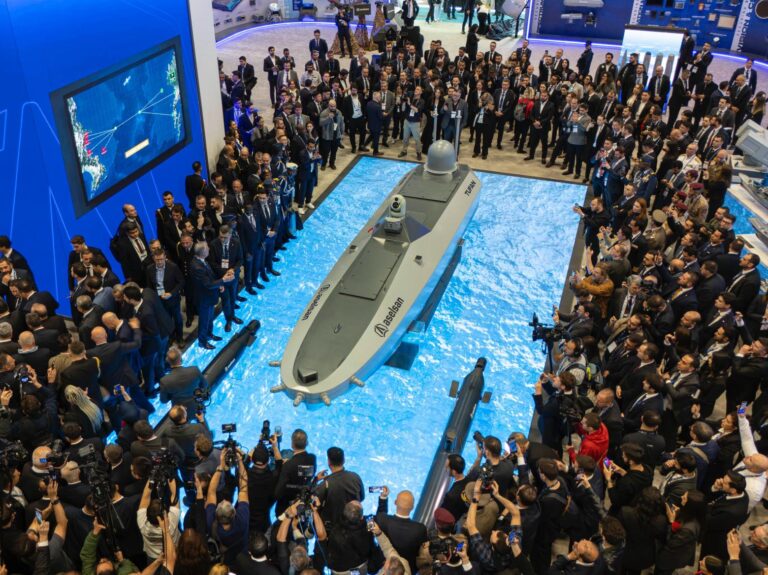
The initiative, announced in June 2025, is aimed at ensuring that Europe’s infrastructure and logistics networks are prepared to handle the rapid deployment of heavy and complex military assets, including armoured vehicles, tanks, missile systems, UAVs, and support equipment.
Strategic objectives
At the core of the package is a focus on removing bottlenecks in transport corridors. By simplifying customs processes, improving cross-border permissions, and standardising transport requirements, the EU intends to reduce delays that could hinder military responsiveness during a crisis.
The package also includes targeted investment in dual-use transport infrastructure—bridges, railways, ports, and airports—capable of supporting both civilian freight and the high weight and dimensions of military cargo.
Impact on logistics operators
For Europe’s heavy-lift and project cargo providers, the policy effectively places them on a war footing. Logistics firms across road, rail, maritime, and airfreight sectors will be expected to adapt operations to accommodate faster and larger-scale military movements. This could include fleet upgrades, specialist training for handling defence consignments, and the creation of dedicated corridors for urgent missions.
Broader security context
The package forms part of the EU’s wider defence and security agenda, which emphasises resilience of supply chains and readiness to respond to geopolitical tensions near the bloc’s borders. Military Mobility has also been highlighted as a priority within NATO-EU cooperation, underlining its role in transatlantic security.
For the logistics sector, the Military Mobility Package presents both a challenge and an opportunity. While compliance and capacity building will require investment, the increased demand for defence transport services is expected to drive new business for freight forwarders, rail operators, and heavy-lift specialists operating across Europe.