
US drone manufacturer Skydio has introduced ISR Command, a software capability intended to improve the coordination of autonomous aerial surveillance operations by military units.
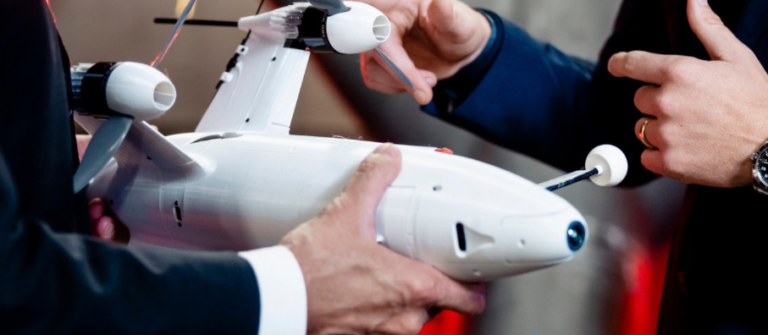
Announced on 13 October 2026, the system has been developed to support intelligence, surveillance and reconnaissance (ISR) missions using the company’s X10D uncrewed aerial platform.
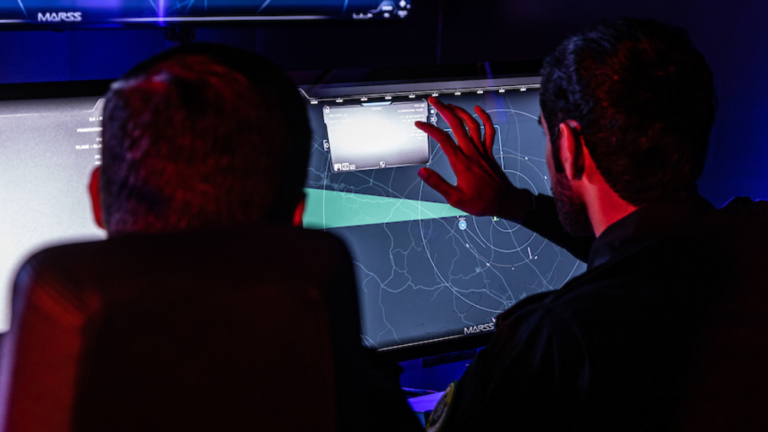
The new capability is designed to help operators coordinate aircraft, maintain surveillance of moving targets and share information across military networks.
It addresses an operational challenge facing armed forces as smaller drones become increasingly common at unit level: maintaining effective surveillance without requiring a separate operator for every aircraft.
Coordinated aerial surveillance
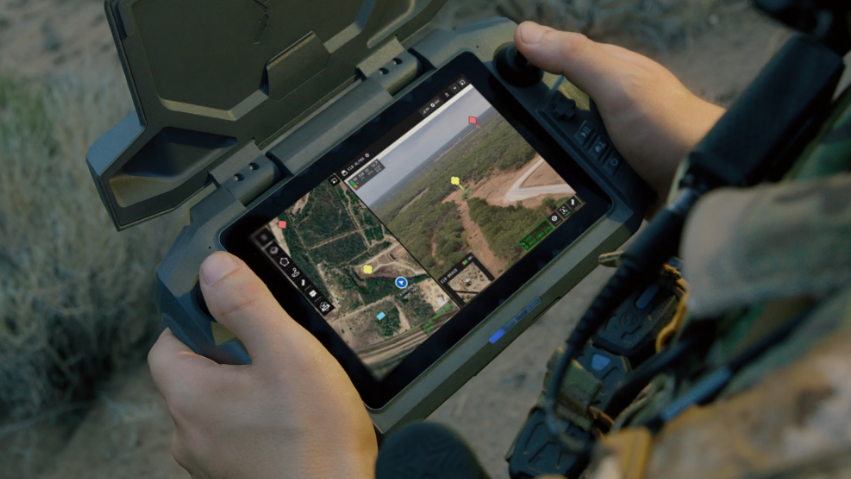
ISR Command combines autonomous flight capabilities with mission-management software to support the operation of multiple drones.
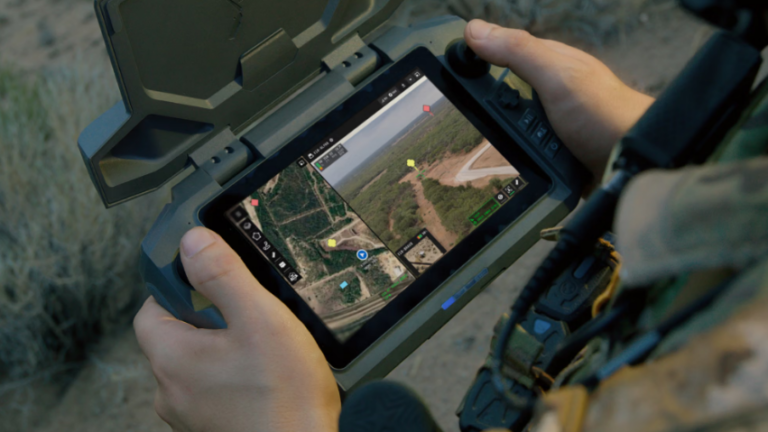
According to Skydio, the system allows personnel to prepare reconnaissance missions using information already available through their operational networks.
An X10D aircraft can then navigate towards a designated observation point, including in environments where satellite navigation is unavailable.
Once in position, the aircraft can track selected vehicles or other objects while updating their location within the connected network.
A central feature is the ability to transfer surveillance responsibilities between aircraft.
When one drone approaches the end of its available endurance, an operator can direct another aircraft towards the same objective and transfer tracking responsibilities.
This approach is intended to maintain observation of a target without requiring a break in surveillance while individual aircraft are recovered or replaced.
The software also supports collaborative intelligence sharing, enabling information collected by one aircraft to be distributed to other authorised personnel.
Skydio is positioning the capability for operations in contested environments, where small military units may need to conduct surveillance with limited personnel and equipment.
Reducing operational workload
For military procurement teams, ISR Command highlights the growing importance of software capabilities when evaluating tactical drone systems.
Aircraft endurance, sensor performance and communications range remain important procurement considerations, but the ability to coordinate several platforms can also influence operational effectiveness.
A system that allows one operator to supervise multiple aircraft could help reduce personnel requirements for certain surveillance missions.
Maintaining continuous observation may also be valuable during reconnaissance, force protection and border monitoring operations.
However, the effectiveness of coordinated autonomy will depend on communications resilience, target-tracking performance and the availability of suitable aircraft.
Procurement authorities will also need to consider integration with established military networks, cybersecurity arrangements and training requirements.
The development illustrates a broader movement towards treating tactical drones as components of connected surveillance systems rather than individually operated aircraft.
For defence buyers, this places additional emphasis on software interoperability, mission continuity and the capacity to upgrade autonomous capabilities throughout the equipment lifecycle.