

Defence technology specialist MARSS has secured a £370 million contract to deliver a nationwide counter-drone defence system for Kuwait, incorporating sensors, command-and-control technology and multiple methods of intercepting hostile uncrewed systems.
Announced on 12 October 2026, the agreement will see MARSS act as prime contractor and systems integrator for a network designed to protect national infrastructure and other strategically important locations.
The company, which became part of Australian defence technology group Electro Optic Systems (EOS) earlier this year, will use its NiDAR platform to coordinate surveillance and defensive responses across the network.
The programme is scheduled for phased delivery over 24 months, followed by a multi-year support arrangement.
Integrated national surveillance network
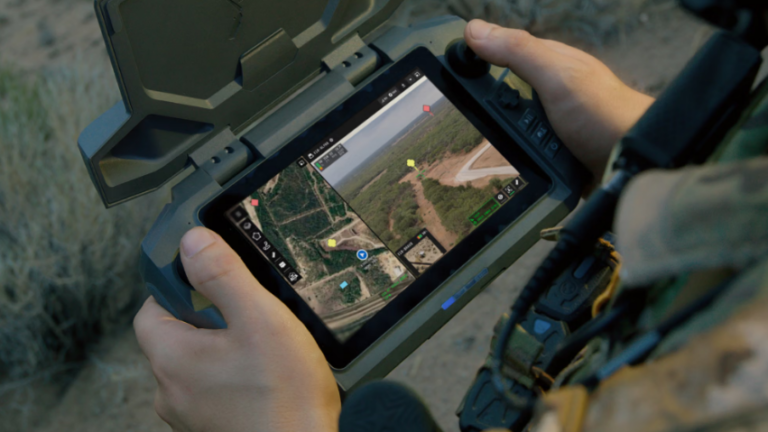
The contract centres on the deployment of NiDAR, MARSS’s artificial intelligence-enabled command-and-control system.
A network of electro-optical, radar and sonar sensors will be installed at multiple locations, providing information to central command facilities.
NiDAR will combine the incoming sensor data to support threat identification, classification and operational decision-making.
The system is intended to monitor airborne and coastal maritime threats, including hostile drones approaching from different directions.
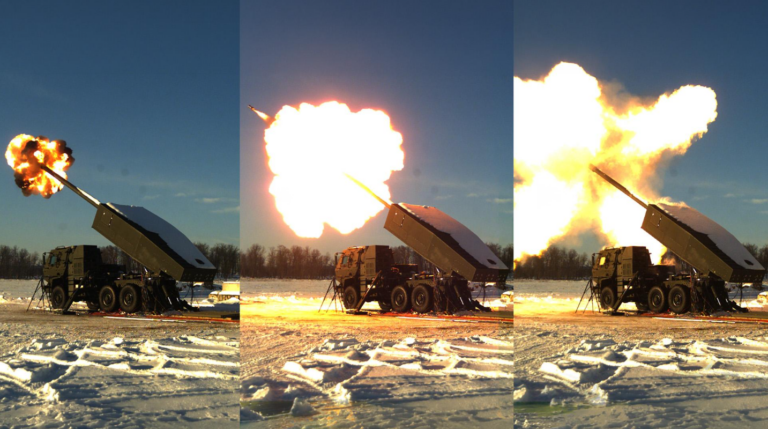
The contract also includes an initial supply of kinetic interceptors and electronic jamming equipment.
By combining these capabilities, operators will have access to different defensive options depending on the characteristics of an approaching threat.
MARSS states that its technology uses automated classification and decision-support functions to reduce the time required to identify and respond to potential attacks.
The programme will also include an operator training package covering the sensors, defensive equipment and NiDAR software.
MARSS expects the contract to support approximately 100 new jobs across the UK business and its supply chain.
Some manufacturing activity is proposed for Bristol, while personnel will also be deployed to Kuwait to support system installation and training.
Requirements for integrated defence
For military procurement authorities, the agreement demonstrates the growing importance of integrated counter-UAS architectures rather than independently operated detection and interception equipment.
Defending geographically dispersed infrastructure requires surveillance systems capable of combining information from multiple sensors and coordinating responses across different locations.
Such arrangements introduce additional requirements for communications resilience, cybersecurity, system interoperability and centralised command.
The inclusion of both electronic countermeasures and kinetic interceptors is also relevant to procurement teams evaluating how to respond to different categories of drone threat.
A layered architecture can provide operators with several engagement options, although operational performance will depend on threat characteristics, local conditions and integration quality.
The contract also highlights the importance of long-term training and logistical support when purchasing complex national defence systems.
MARSS’s planned 24-month deployment and subsequent support programme will require continued coordination between the manufacturer, local operators and equipment suppliers.
For specialist defence technology companies, the award illustrates opportunities to deliver substantial integrated programmes by combining proprietary software with sensors and effectors from a wider industrial supply chain.