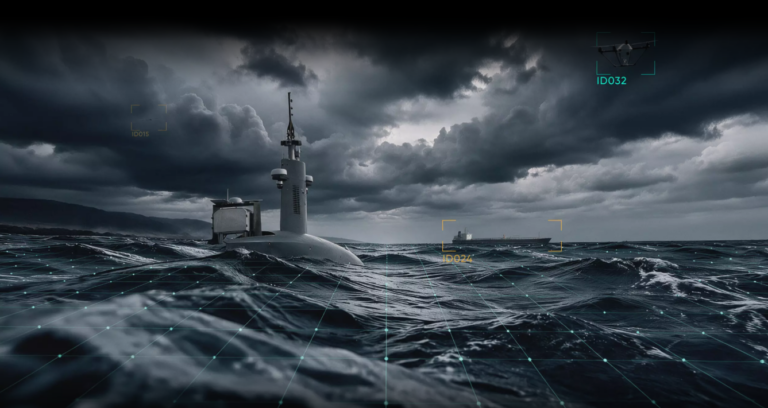


French maritime technology specialist Exail has introduced Neptis, an integrated autonomous surveillance system designed to coordinate multiple uncrewed vessels and sensor platforms during naval operations.
Announced on 9 October 2026, the system combines a new family of Oryx uncrewed surface vessels (USVs), naval mission equipment and command-and-control software to support persistent surveillance across maritime environments.
The development is intended to help naval operators extend surveillance coverage while reducing dependence on crewed vessels for routine monitoring activities.
Coordinated autonomous operations
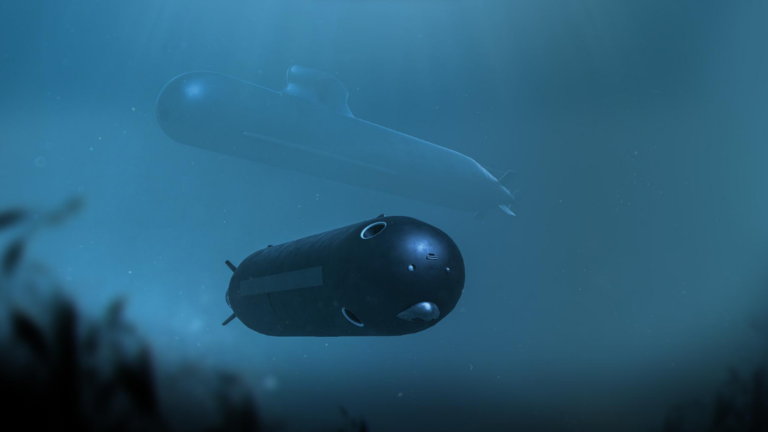
Neptis has been developed for intelligence, surveillance and reconnaissance (ISR), anti-submarine warfare, critical undersea infrastructure protection and counter-uncrewed aircraft missions.
The system uses a distributed architecture in which multiple autonomous platforms and sensors can operate within a coordinated surveillance network.
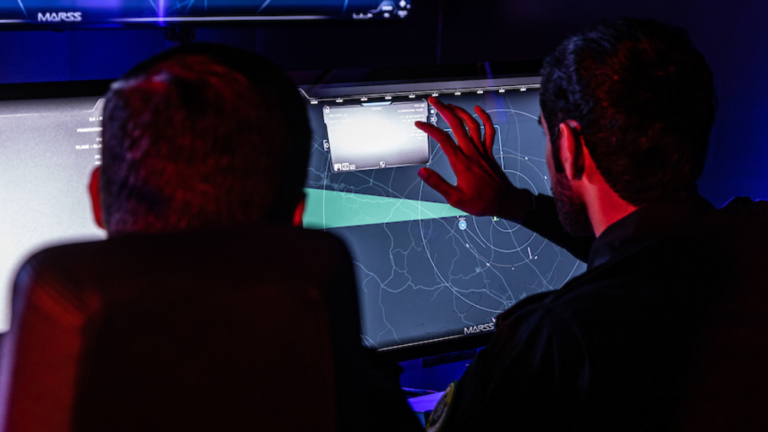
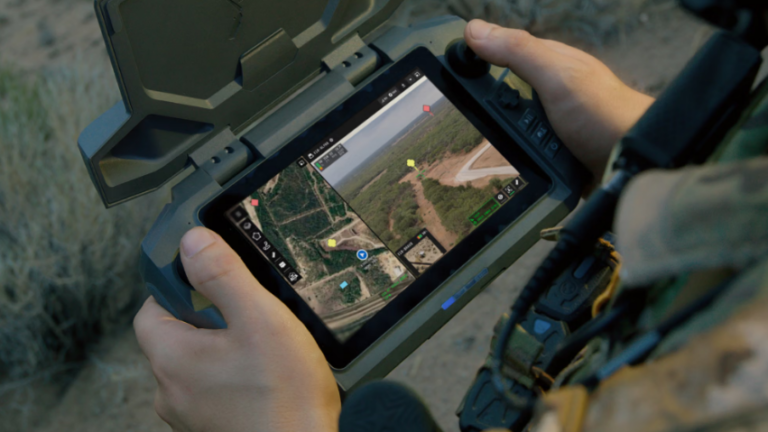
Its command-and-control software enables operators to supervise several assets simultaneously, combining mission planning, tactical information, sensor data and AI-assisted decision support.
The modular architecture also allows integration with existing naval command systems, depending on individual operational requirements.
Supporting the surveillance system is Exail’s new Oryx family of autonomous surface vessels, comprising the H-8, H-9 and O-16 models.
These platforms have been designed for different endurance, deployment and payload requirements, allowing naval organisations to select vessels suited to coastal, offshore and multi-sensor operations.
Neptis builds on technology and operational experience gained through Exail’s existing uncrewed mine countermeasures systems, extending the company’s approach to coordinated autonomous operations into wider maritime surveillance applications.
Implications for naval procurement
For naval procurement authorities, Neptis represents a development in the transition from individual uncrewed platforms towards integrated autonomous surveillance networks.
Rather than acquiring a single vessel for a specific mission, operators could potentially deploy several autonomous assets to collect information across a wider operational area.
This approach may be particularly relevant to the protection of subsea cables, offshore energy infrastructure and strategically important maritime routes.
However, procurement assessments will need to consider communications resilience, interoperability, operating endurance and the ability to integrate autonomous platforms into established command structures.
The capacity to combine different payloads and vessel types could provide additional flexibility as surveillance requirements develop.
Exail plans to present Neptis and the Oryx family to international naval customers at Euronaval in November 2026.
The announcement illustrates how specialist manufacturers are seeking to support naval surveillance requirements through coordinated autonomy rather than relying exclusively on conventional crewed platforms.