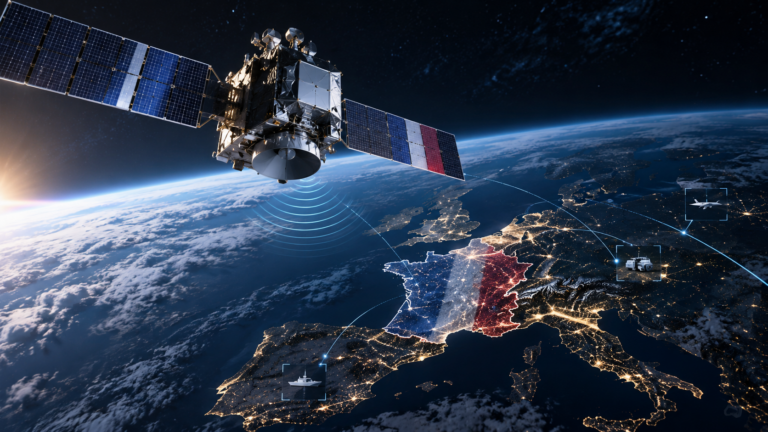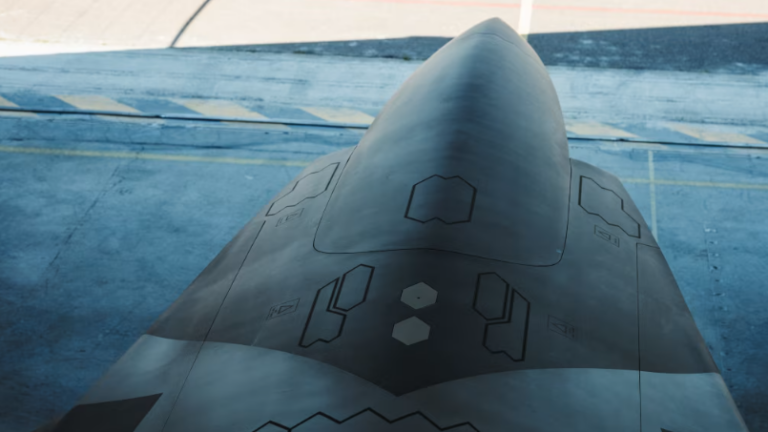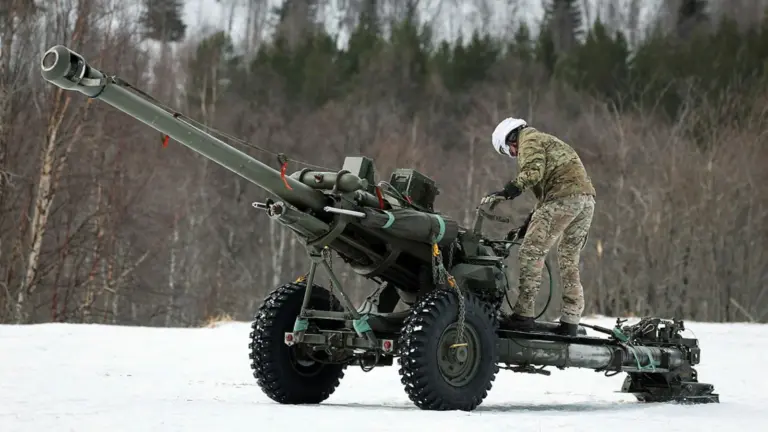


Japan’s Ministry of Defense has requested a record ¥8.8 trillion defence budget for fiscal year 2026, with investment focused on maritime capability, missile defence, long-range strike weapons and unmanned systems.
The request forms part of Japan’s ongoing Defense Buildup Program, introduced as Tokyo responds to a more challenging security environment across the Indo-Pacific. Major priorities include strengthening the Japan Maritime Self-Defense Force, improving coastal defence and expanding the country’s ability to counter increasingly sophisticated missile threats.
Maritime and Unmanned Capabilities
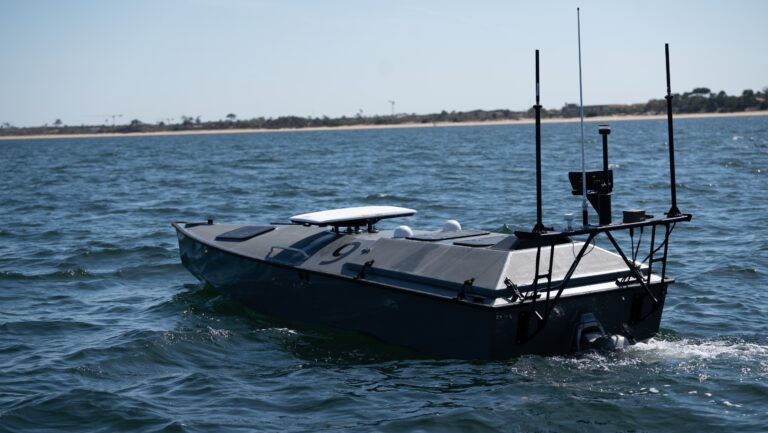
A significant element of the proposed budget is funding for Japan’s Synchronized, Hybrid, Integrated and Enhanced Littoral Defense system, known as SHIELD.
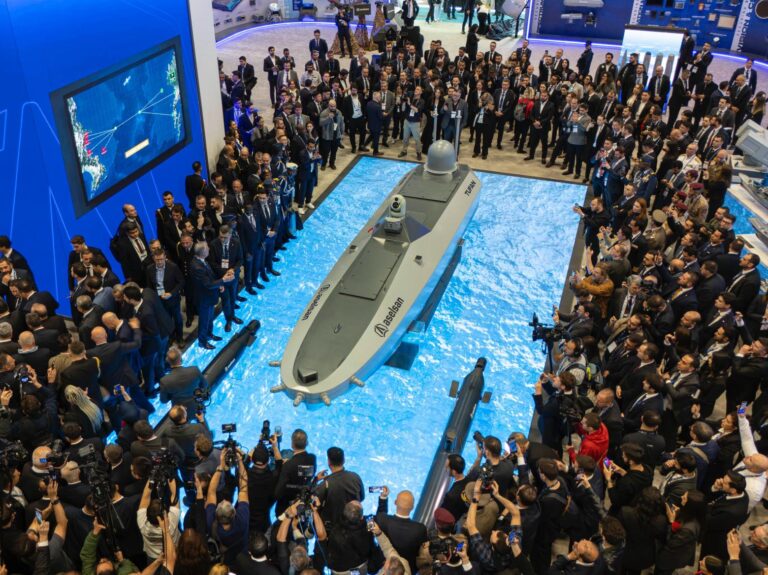
The programme is expected to combine unmanned aerial vehicles, unmanned surface vessels and underwater systems within an integrated coastal defence network. Japan is also examining technology capable of coordinating multiple unmanned platforms simultaneously.
Funding has also been requested for another New FFM frigate, an additional Taigei-class submarine and further patrol vessels as Japan continues to modernise its maritime fleet.
The New FFM is being developed as an evolution of the Mogami-class frigate, incorporating greater capacity for long-range missiles and enhanced anti-submarine warfare capabilities.
Missile Defence and Long-Range Strike
Japan has also allocated funding towards its two Aegis System Equipped Vessels, which are intended to strengthen integrated air and missile defence capabilities.
Further investment is planned for modifications to the JS Izumo and JS Kaga, enabling the vessels to support F-35B fighter operations.
Long-range strike capabilities remain another priority, including ship-launched Type 12 missiles, submarine-launched weapons and modifications allowing additional Japanese destroyers to deploy Tomahawk cruise missiles.
The proposed FY2026 defence budget reflects Japan’s continued move towards a more technologically advanced and flexible force, with greater emphasis on unmanned systems, maritime security, missile defence and stand-off capabilities.