

Wargaming has returned to prominence because it can examine what technical trials often cannot: choice, behaviour and consequence. Future operations are unlikely to unfold as isolated platform engagements. They will involve commanders making decisions across land, sea, air, cyber, space and the electromagnetic spectrum, often with incomplete information and under time pressure. Testing a sensor or platform may tell defence what it can do. Wargaming helps examine what people might do with it.
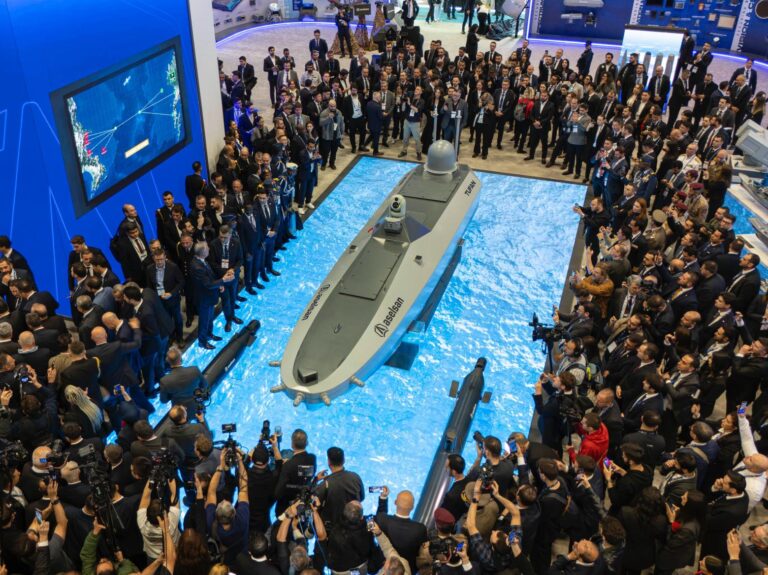
This is why modern wargaming has become far more than a classroom exercise. It increasingly combines operational research, modelling, simulation, behavioural insight and scenario design to test concepts before they become doctrine or procurement commitments. In 2025, the UK Ministry of Defence showcased integrated wargaming expertise at NATO’s Concept Development plus Wargaming Initiative conference, noting the value of sharing fresh insights from concept development and wargaming across allies.
The point is not to predict a future conflict with certainty. The point is to uncover weaknesses that conventional planning may miss. A well designed wargame can reveal where command structures are too slow, where data flows are fragile, where logistics assumptions are unrealistic or where a new capability creates unexpected dependencies. Its value is often found in the questions it raises, not the answers it produces.
Cranfield University is particularly relevant in this context because its defence simulation and modelling work addresses the design, development, procurement, use and management of models and simulations for experimentation, training, testing, analysis and assessment of military forces, systems and equipment. Its academic role is important because future test and evaluation requires more than engineering competence. It requires systems thinking, operational analysis and the ability to understand how people, technology and organisations interact.
The Synthetic Battlespace Becomes a Strategic Asset
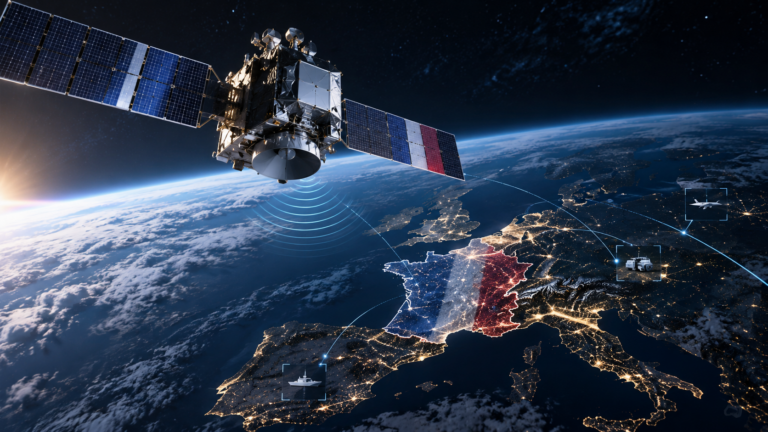
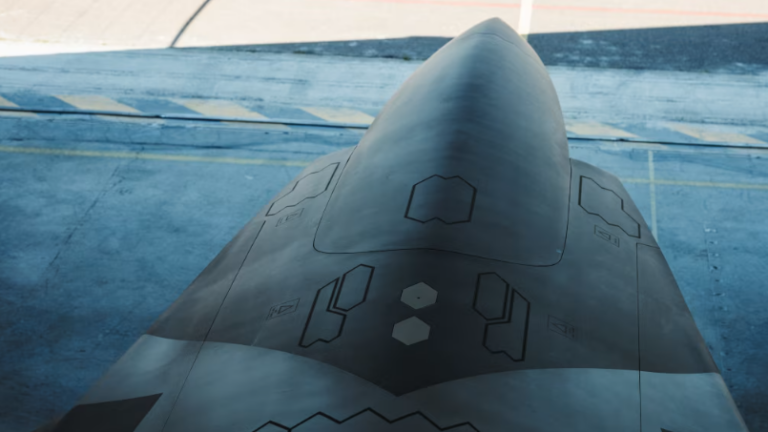
The rise of synthetic environments reflects a simple operational reality. Defence systems are now too interconnected to be understood in isolation. A combat aircraft depends on sensors, satellites, data links, mission software and ground based support. A naval task group depends on radar, communications, electronic warfare, logistics and command networks. An air defence system depends on detection, classification, engagement rules, weapons integration and human decision making.
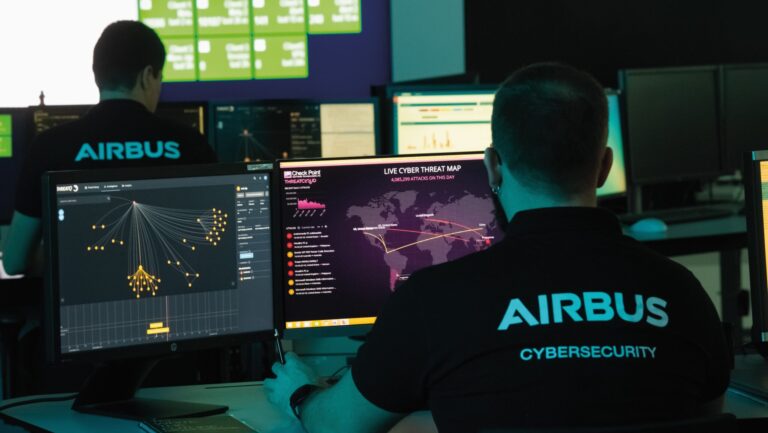
Synthetic environments allow these relationships to be explored before they are exposed in live operations. They can model electronic attack, cyber disruption, communications degradation, environmental constraints and adversary behaviour at a scale that would be costly or impossible to recreate physically. NATO’s Modelling and Simulation Centre of Excellence framed its 2025 annual review around the theme of moving from simulation to action, wargaming, exercising and experimenting for multi domain advantage, which captures the direction of travel across allied defence.
BAE Systems is relevant here through its modelling, simulation and digital engineering activities. The company describes its modelling and simulation solutions as supporting defence teams to train, rehearse and analyse complex missions with greater realism, speed and confidence. Its digital engineering work also highlights model based systems engineering, digital threads, digital twins and earlier detection of design defects through greater use of virtual methods.
Leidos is also a strong fit, given its modelling, simulation and training services for operators and maintainers, and its wider role in complex mission support. In the test and evaluation context, the value of this capability is not just training realism. It is the ability to reduce complexity, generate evidence, rehearse mission outcomes and explore operational risk before live trials become the final proving ground.
Testing AI, Autonomy and Human Judgement
Artificial intelligence creates one of the hardest problems in modern evaluation. Traditional systems are usually tested against expected behaviour. AI enabled systems can behave differently depending on training data, operating conditions, sensor quality, adversary deception and human interaction. This does not make them unusable, but it does make assurance more complicated.
Defence must therefore move beyond the idea of a single pass or fail judgement. The more important task is to understand the boundary of trust. Under what conditions does an AI enabled system perform reliably. When does its performance degrade. How does a human operator respond to its recommendation. What happens when multiple autonomous systems interact. These are behavioural questions as much as technical ones.
Cohort plc is relevant through the specialist defence technology work of its group companies, particularly in areas such as operational analysis, training, electronic warfare, surveillance, communications and systems engineering. In this context, its relevance is not as a generic AI supplier, but as part of the broader defence ecosystem that helps customers understand how technology performs within operational systems.
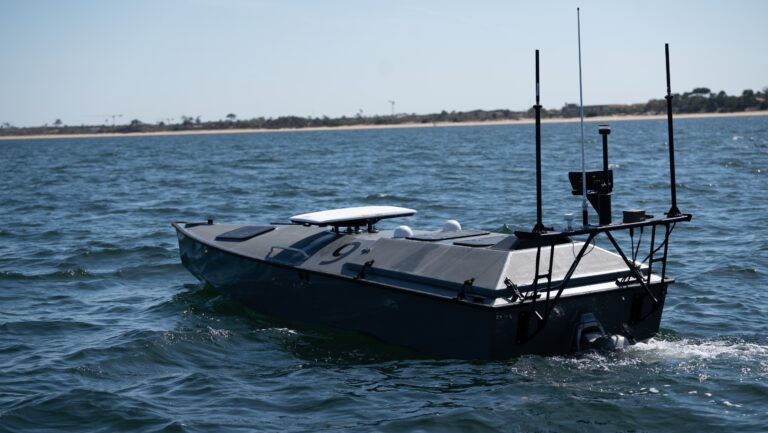
The same logic applies to autonomy. An uncrewed system may navigate effectively, collect data and complete tasks in a structured environment, but future trials must also test degraded communications, contested spectrum, deception, human oversight and interoperability with other systems. Simulation allows these edge cases to be explored repeatedly, while live trials validate whether the models reflect reality.
Why Live Trials Still Matter
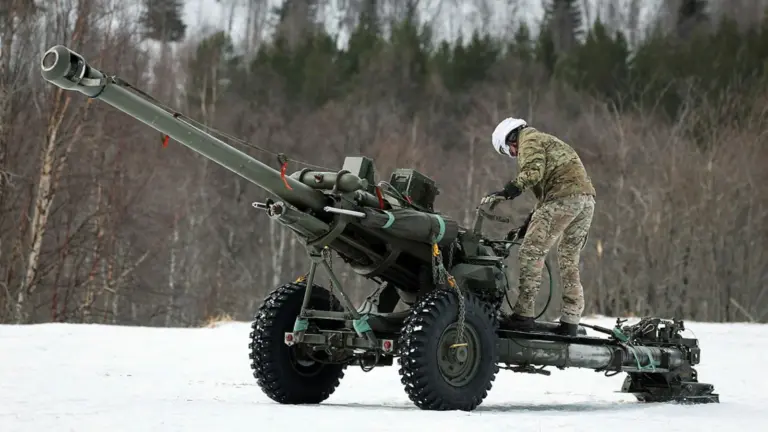
Simulation is becoming more important, but it cannot replace live trials. Real equipment behaves in ways that models do not always predict. Personnel make unexpected decisions. Weather, terrain, vibration, maintenance burden and fatigue all influence performance. Physical trials remain essential because they expose the friction of reality.
The future is not a choice between synthetic and live evaluation. It is the integration of both. The UK Defence Test and Evaluation Service Future documentation refers to virtual test and evaluation platforms, live test platforms and deployable test platforms, showing how future evaluation is being structured around blended capability rather than a single method.
This blended model is critical. Simulation can explore thousands of scenarios. Wargaming can test decisions. Digital twins can expose integration issues early. Live trials can validate whether assumptions hold under operationally representative conditions. Together, they provide a stronger evidence base than any one method alone.