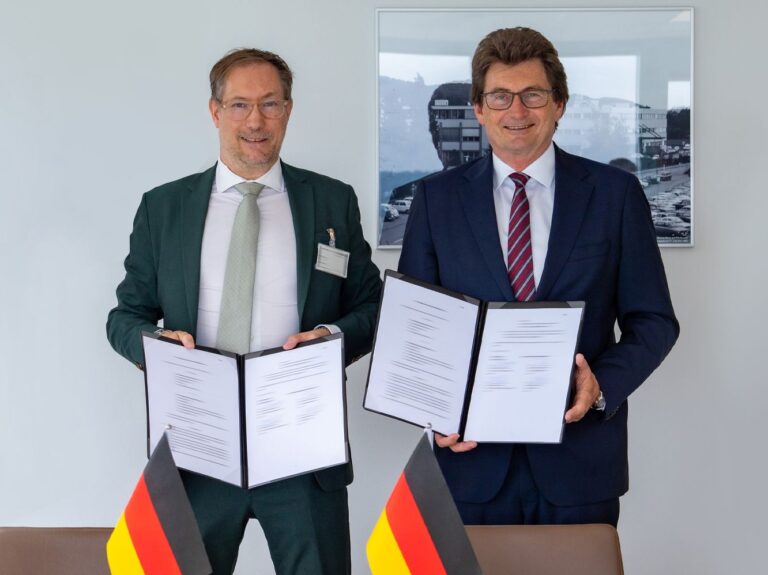
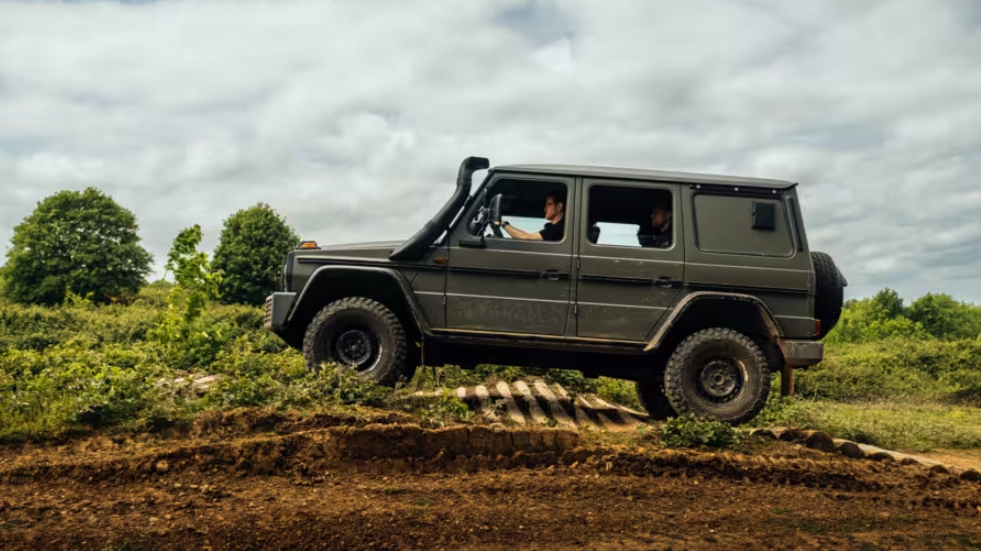

Rheinmetall UK and Mercedes-Benz UK have formalised their Team Wolf partnership to develop tactical mobility solutions for the British Army’s future vehicle requirements.
Announced on 16 September 2026, the collaboration brings together Mercedes-Benz vehicle technology and Rheinmetall’s defence systems integration capabilities.
The partnership is intended to support the British Army’s Land Mobility Programme, which aims to address future tactical vehicle requirements and improve the sustainability of military fleets.
Developing British military vehicle capability
Under the agreement, Rheinmetall BAE Systems Land’s facility in Telford will become Team Wolf’s Vehicle Integration Centre. The location will support systems integration, testing and validation activities associated with adapting vehicles to British Army requirements.
Team Wolf combines established automotive platforms with specialist military engineering and mission systems. This approach is intended to provide vehicles capable of supporting operational requirements while drawing on existing manufacturing and engineering expertise.
Telford already contributes to British Army vehicle programmes, including Boxer production, making it an established location for land systems engineering.
Strengthening UK defence supply chains
A significant feature of Team Wolf is its focus on British industrial participation. The partnership is targeting up to 50% UK content, creating potential opportunities for domestic manufacturers, engineering companies and specialist suppliers.
Locating integration activities in Britain is also intended to support skills development and retain technical knowledge within the domestic defence industry.
For military procurement teams, the partnership raises important considerations around fleet standardisation, maintenance, equipment upgrades and long-term support arrangements.
These factors can influence the overall cost and operational availability of tactical vehicle fleets throughout their service lives. Although Team Wolf is positioning itself to support future British Army mobility requirements, the partnership announcement does not constitute a confirmed vehicle procurement contract.
Its significance lies in establishing the industrial and engineering arrangements needed to compete for and potentially sustain future military vehicle programmes.