

US forces have captured Venezuelan President Nicolás Maduro in a rapid strike operation that Washington says was aimed at dismantling “narco terrorism” networks and accelerating a political transition in Caracas. The operation, reported to have involved air and maritime elements, marks the most dramatic US military action in Latin America in decades and has triggered immediate diplomatic and security shockwaves across the hemisphere.
The US operation to seize Venezuelan President Nicolás Maduro was executed as a joint, high tempo special operations raid preceded by precision strikes designed to blind and dislocate Venezuelan command and air defence around Caracas.
According to media outlets, the mission, described by US officials as Operation Absolute Resolve, was authorised by President Donald Trump after months of planning involving the CIA and US Special Forces. The final assault was carried out by elite operators, with Reuters identifying the US Army’s Delta Force among those involved. A CIA asset close to Maduro reportedly provided real time intelligence on his movements, allowing US planners to select the moment of maximum vulnerability.
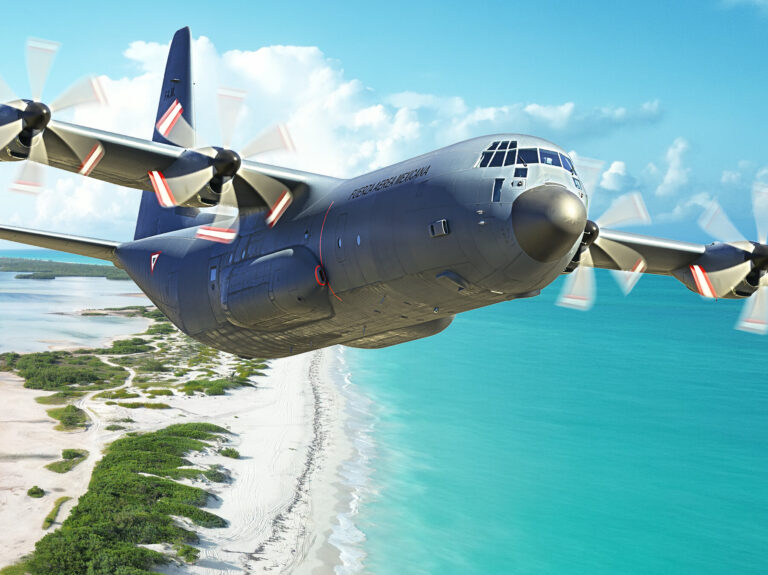
The raid was preceded by extensive airstrikes targeting Venezuelan military defences near Caracas. It was reported that more than 150 aircraft were involved, operating from approximately 20 bases. These strikes were intended to suppress air defence systems and disrupt communications, contributing to the power outages reported in Caracas during the operation.
The strikes also served a force protection purpose, reducing the likelihood that Venezuelan air or ground forces could react quickly enough to mass against the assault element. This approach aligns with established US special operations doctrine: conduct a short, decisive raid only after degrading the adversary’s ability to respond effectively.
The assault force stormed Maduro’s fortified residence at roughly 1am US Eastern Time. The entry team used blowtorches to breach steel doors, indicating hardened internal security measures and the likelihood of a layered defensive plan within the compound. Despite reportedly coming under fire, the team moved quickly, preventing Maduro from reaching a designated safe room. Within a short window, Maduro and his wife were secured and removed from the site. Maduro was then taken to the amphibious assault ship USS Iwo Jima.
The raid triggered significant fallout. It is claimed that 32 Cuban military and police officers were killed during the operation, underlining the presence of foreign security support to Maduro’s government and the likelihood of close quarter engagements during and after the assault.
Media outlets reported on 5 January that Delcy Rodríguez, described as Venezuela’s acting president, issued a public statement calling for a new diplomatic agenda with the United States based on sovereignty and “peaceful coexistence” following Maduro’s capture. Rodríguez urged an end to external threats and said Caracas sought relations grounded in international law and non-interference, signalling an attempt to contain escalation while asserting national authority.