

Defence Buyer examines how crewed fighters are no longer the sole centrepiece of air dominance and how autonomous systems in the future will reshape procurement.
Air superiority has traditionally been defined by the performance envelope of a single platform. Speed, manoeuvrability, stealth and sensor integration have underpinned procurement decisions for decades. Yet the operational lessons emerging from Ukraine, the Indo Pacific and wider NATO planning exercises suggest that this model is undergoing structural change.
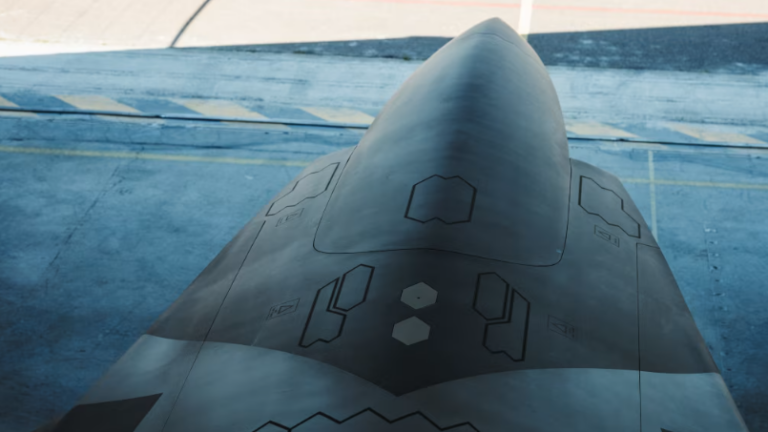
The question is no longer whether a sixth-generation fighter will be employed. It is whether that aircraft will remain the focal point of combat capability or operate as one element within a far broader autonomous ecosystem.
Across Europe, the United Kingdom, Italy and Japan’s Global Combat Air Programme (GCAP) is being shaped around this reality. BAE Systems, working alongside Leonardo and international partners, has been clear that the future combat aircraft will act as a command and control hub rather than an isolated strike platform. The emphasis is increasingly on manned uncrewed teaming, distributed sensing and digital backbone integration.
System of Systems
In its communications BAE Systems describes it as “a system of systems approach, integrating crewed, uncrewed and autonomous platforms through advanced data and sensing technologies.”
Dassault and Airbus, leading the Franco German Spanish Future Combat Air System (FCAS) programme, are progressing a similar doctrine. This next generation fighter is intended to operate alongside remote carrier systems, creating layered survivability rather than relying on stealth alone. Airbus has publicly stressed that system of systems integration, data fusion and collaborative combat capabilities will determine programme success more than raw kinematic performance.
Dassault chief executive Éric Trappier has stated publicly that FCAS is “not just an aircraft, but a system of systems composed of the new generation fighter, remote carriers and a combat cloud.”
The United States is advancing the same philosophy within Next Generation Air Dominance (NGAD) platform. Lockheed Martin, drawing on its F-35 experience, has acknowledged that the most critical battlefield asset is no longer the aircraft itself but the secure data pathways that connect it to autonomous add-on systems. The F-35 programme demonstrated the operational advantage of sensor fusion; NGAD expands that principle to include collaborative combat aircraft operating semi autonomously.
Lockheed Martin, says air dominance will depend on “integrated sensing and secure data sharing across multiple platforms.”
Cost and Crew
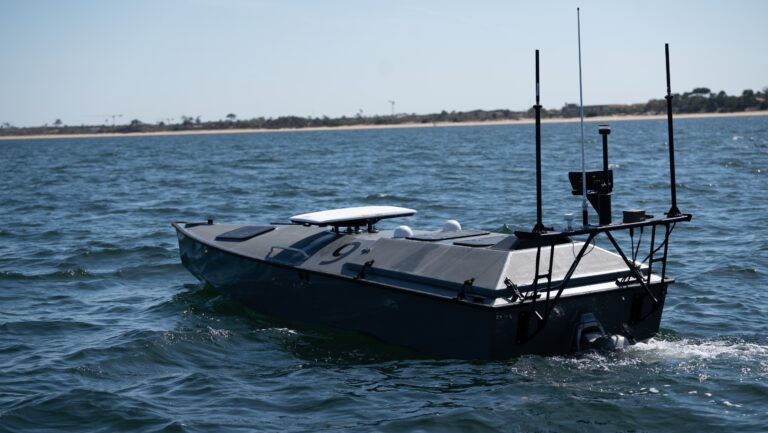
The implications for procurement are significant. High value crewed aircraft remain essential, but lower cost and more dispensable uncrewed systems – in defence terms described as ‘Attritable’ – alter cost calculus and force structure modelling. An air force that can deploy multiple autonomous platforms in contested airspace changes the adversary’s targeting equation. Quantity becomes a survivability factor in its own right.
Leonardo’s investment in advanced radar, electronic warfare and multi domain sensor architecture reflects this transition. The role of the pilot is evolving from tactical operator to mission orchestrator, overseeing distributed assets across air and space domains. This demands unprecedented levels of data integrity and latency control.
Rolls-Royce, a core propulsion partner in GCAP, is equally central to this shift. Adaptive engine development is no longer solely about thrust efficiency; it is about power generation. Directed energy systems, high demand electronic warfare suites and onboard processing for AI driven decision support all require thermal management and electrical output that legacy propulsion architectures were not designed to sustain.
Digital Developments
BAE Systems and Airbus are investing heavily in digital engineering environments to manage this complexity. Virtual integration testing, digital twins and model-based systems engineering are becoming procurement necessities rather than optional innovation tools. The pace of software iteration will define operational relevance. Air combat capability is increasingly software defined, and that introduces lifecycle challenges that procurement authorities are only beginning to fully address.
Attritable autonomous aircraft also raise industrial considerations. Production rates, supply chain resilience and sovereign manufacturing capacity become critical when fleet composition includes large volumes of collaborative combat systems. Dassault and Leonardo will have to balance high end airframe development with scalable production models that can sustain distributed architectures.
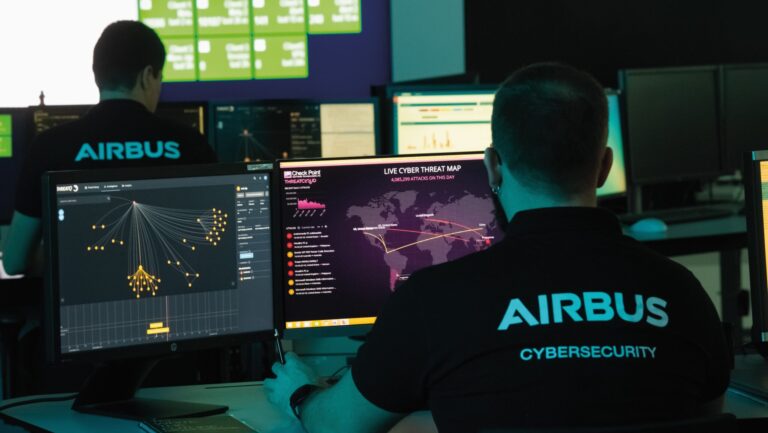
At the same time, interoperability within NATO and allied coalitions remains non-negotiable. Lockheed Martin’s experience in multinational programme governance through the F-35’s development informs this discussion, particularly around secure data sharing and export controls. As more autonomous systems are integrated, questions of algorithm ownership, cyber resilience and cross border data compatibility become central procurement considerations.
Forward looking doctrine now assumes highly contested electromagnetic environments. Autonomous systems must function with degraded communications, forcing investment into onboard AI capable of operating with limited external input. This shifts the risk profile from hardware vulnerability to software integrity.
The transition is therefore doctrinal as much as technological. Air forces are restructuring training pipelines, simulation environments and command hierarchies to accommodate distributed lethality. The combat aircraft remains vital, but its strategic value lies in orchestration rather than isolation.
A New Architecture
The sixth-generation aircraft will fly. That is not in question. What is changing is its purpose. The companies developing a new fighter are constructing the framework for an air combat architecture in which autonomy, collaboration and digital integration define survivability.
For procurement leaders, the challenge is clear. Investment must balance optimum capability with scalable mass. The future of combat aircraft will not be determined solely by aerodynamic innovation, but by how effectively crewed and uncrewed systems operate as a coherent, adaptable whole.